


How to choose the surface treatment process for bundling chains to enhance wear resistance and rust prevention?
Release Time : 2026-02-25
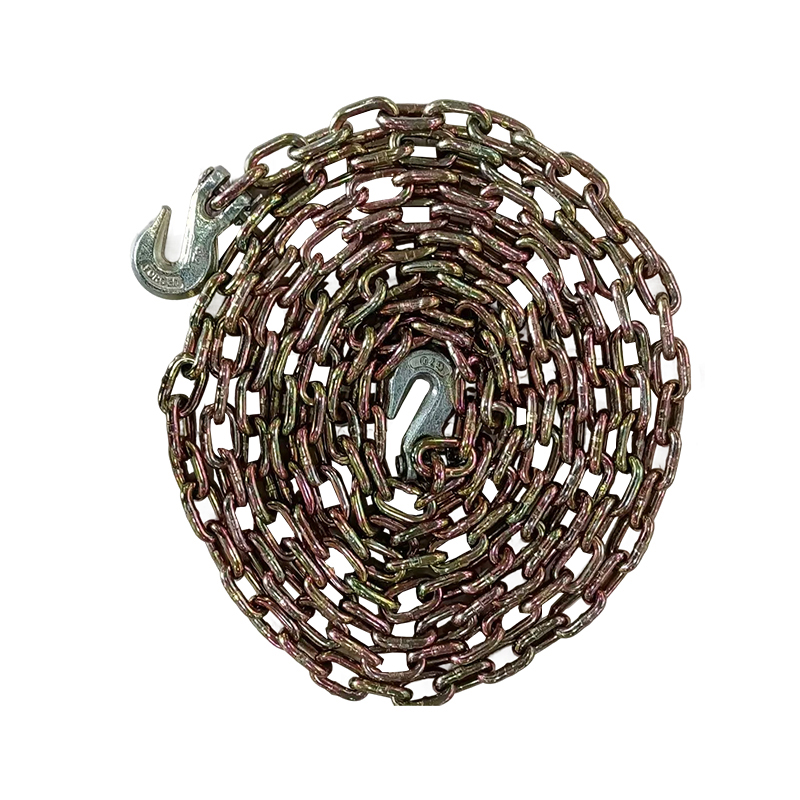
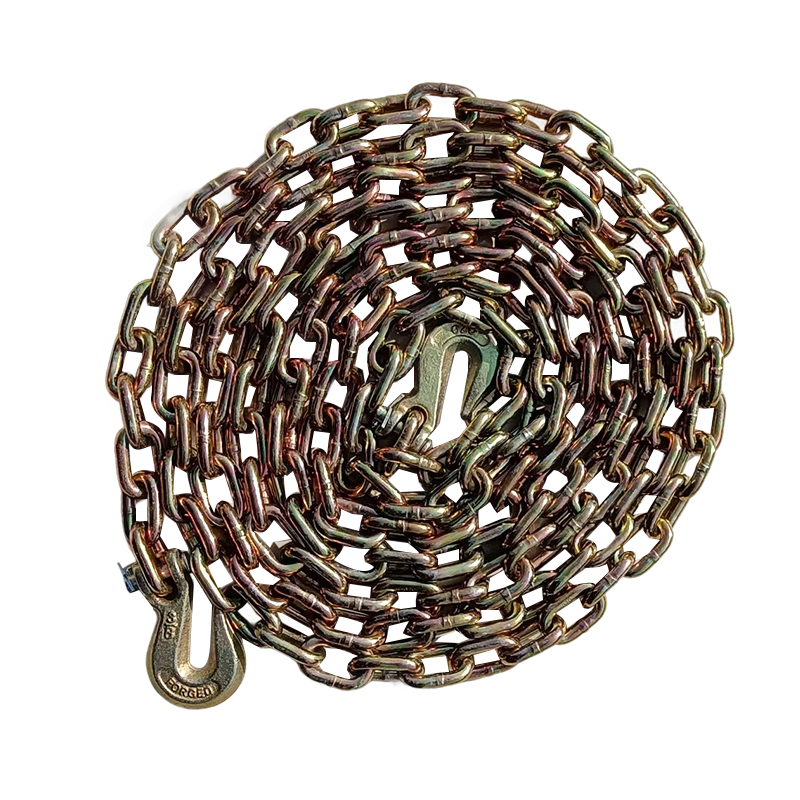
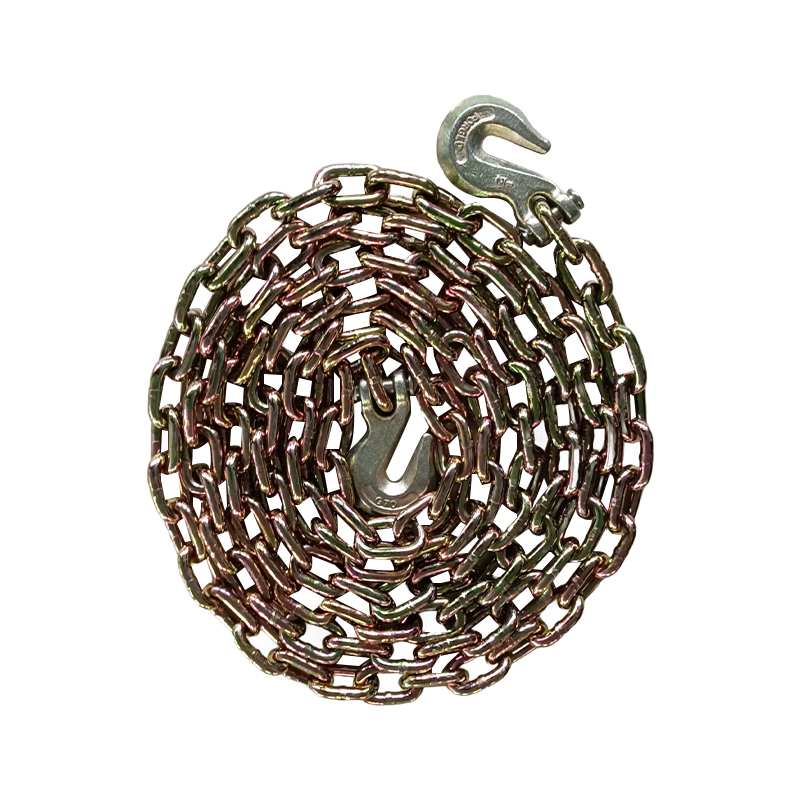
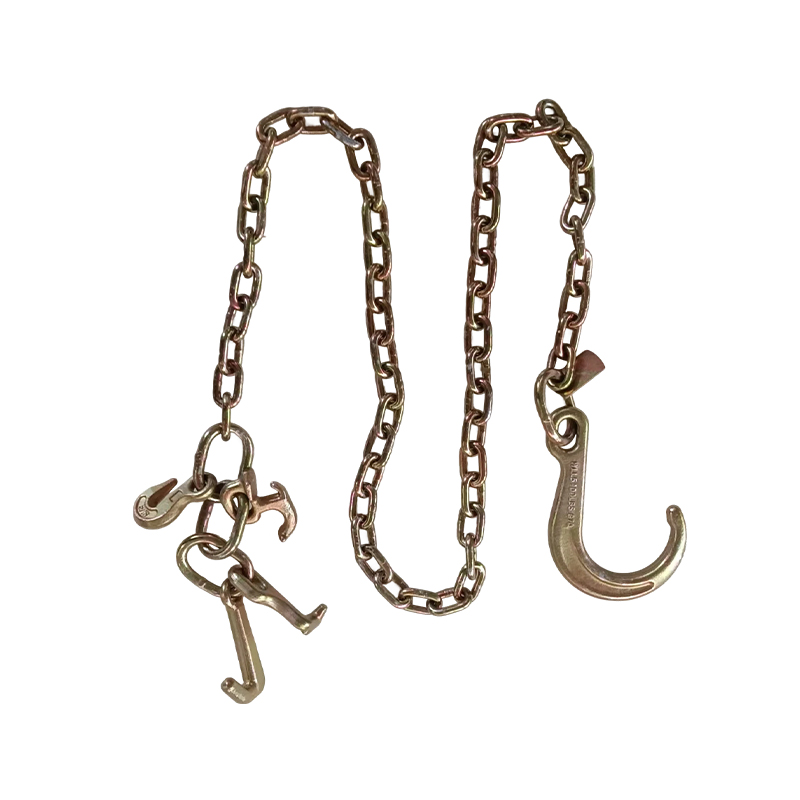
As a key component for connection and fixation, the surface treatment process of a bundling chain directly affects its wear resistance and rust prevention, thus determining its service life and suitability for various application scenarios. Improving wear resistance and rust prevention requires comprehensive consideration of material properties, process principles, and environmental adaptability. A balance between performance and cost can be achieved through a combination of composite processes, structural optimization, and environmentally friendly technologies.
Zinc plating is the basic surface treatment for bundling chains. Its principle is to deposit a zinc layer on the chain surface through an electrochemical process, forming a dense metallic protective film. Zinc is chemically reactive and preferentially oxidizes over iron, thus isolating oxygen and moisture and delaying substrate corrosion. The advantages of this process are low cost, mature technology, and suitability for short-term protection in indoor or dry environments. However, a single zinc plating layer has relatively low hardness and is easily worn under friction or impact, leading to a decrease in rust prevention. Therefore, galvanizing is often used as a basic protective layer and needs to be combined with other processes to enhance overall performance.
Nickel plating and alloy plating compensate for the shortcomings of galvanizing by improving surface hardness and corrosion resistance. The nickel layer possesses excellent smoothness, hardness, and adhesion, serving as a base layer to enhance the adhesion between the plating and the substrate. A zinc-nickel alloy layer is then layered on top; its amorphous or microcrystalline structure increases corrosion resistance to 5-10 times that of ordinary zinc plating while maintaining good wear resistance. This composite design of a "hard wear-resistant layer + long-lasting rust-proof layer" allows the bundled chain to resist corrosive media intrusion in salt spray, humid, or high-friction environments, while also slowing down plating wear and extending its service life.
Carburizing and nitriding are surface heat treatment processes that improve performance by altering the surface composition and microstructure of the material. Carburizing diffuses carbon atoms to the chain surface, forming a high-carbon martensite layer with a hardness of 58-62 HRC, significantly enhancing wear resistance. Nitriding, on the other hand, diffuses nitrogen atoms to form a nitride layer, resulting in even higher hardness and excellent corrosion resistance. Both processes are suitable for high-load conditions, such as mining and port environments, but strict control of processing temperature and time is necessary to avoid substrate deformation or performance degradation.
Shot peening strengthens the chain by impacting the chain surface with high-speed shot, forming a residual compressive stress layer that inhibits crack propagation and improves fatigue resistance. This process can be combined with coating processes, such as zinc or nickel plating after shot peening, which enhances the adhesion between the coating and the substrate and offsets some tensile stress through residual compressive stress, delaying fatigue failure. Furthermore, shot peening improves the chain's surface roughness, reduces stress concentration, and further enhances wear resistance.
Phosphating and blackening treatments improve rust resistance through chemical conversion films. Phosphating forms a phosphate chemical conversion film on the chain surface, blocking corrosive media penetration, but requires oiling or subsequent treatment to enhance its effect. Blackening generates a black oxide film through an oxidation reaction, suitable for short-term rust prevention or decorative needs, but with weaker corrosion resistance, often used in dry indoor environments. These two processes are relatively low-cost, but need to be combined with other processes depending on the application scenario.
The integrated application of composite processes is key to improving the overall performance of bundled chains. For example, surface hardness is first improved through carburizing or nitriding, then a zinc or zinc-nickel alloy layer is applied to enhance rust resistance, and finally shot peening is performed to eliminate internal stress and optimize surface condition. This multi-layered composite design can simultaneously meet the requirements of high wear resistance, strong rust prevention, and long service life, making it suitable for extreme working conditions or high-end applications.
Environmental protection and sustainability are important considerations in modern surface treatment processes. Traditional electroplating processes may generate harmful waste liquids containing chromium and cyanide, requiring environmentally friendly technologies such as trivalent chromium substitution and cyanide-free gold plating to reduce pollution. Furthermore, the application of automated production lines and intelligent temperature control systems can improve process stability and production efficiency, while reducing energy consumption and costs. In the future, with the development of new materials and processes, bundled chain surface treatment will evolve towards greater efficiency and environmental friendliness, meeting the requirements of Industry 4.0 for intelligent and sustainable manufacturing.