


How can bundling chains ensure effective bundling during transport, especially in situations involving bumpy conditions?
Release Time : 2025-12-03
In bumpy transport scenarios, the stability of the bundling chain directly affects cargo safety and transportation efficiency. Its core lies in building a triple protection system through scientific selection, standardized operation, and dynamic maintenance to ensure the chain maintains effective restraint even in complex road conditions.
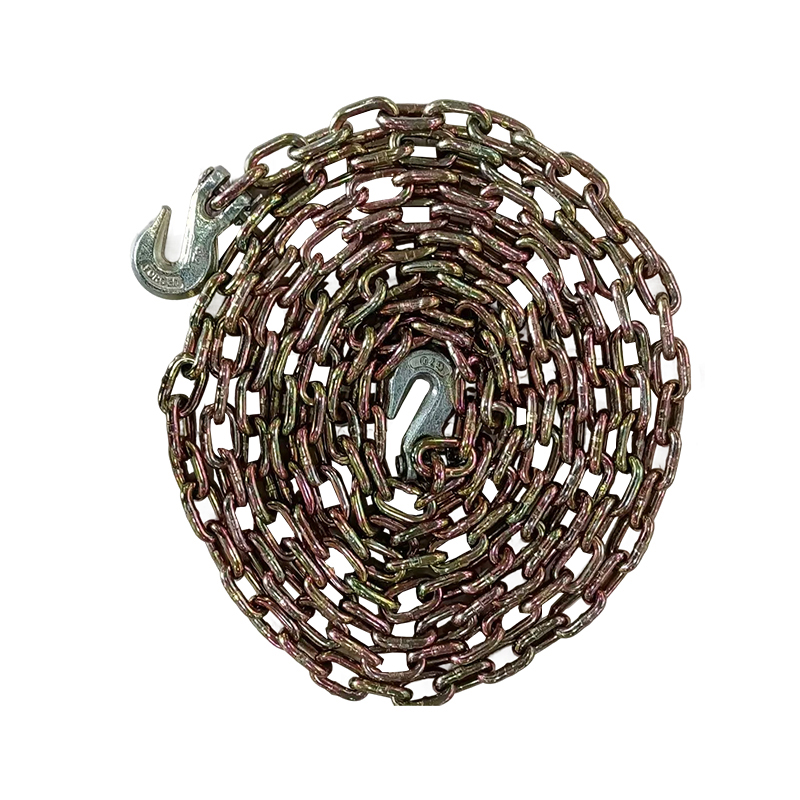
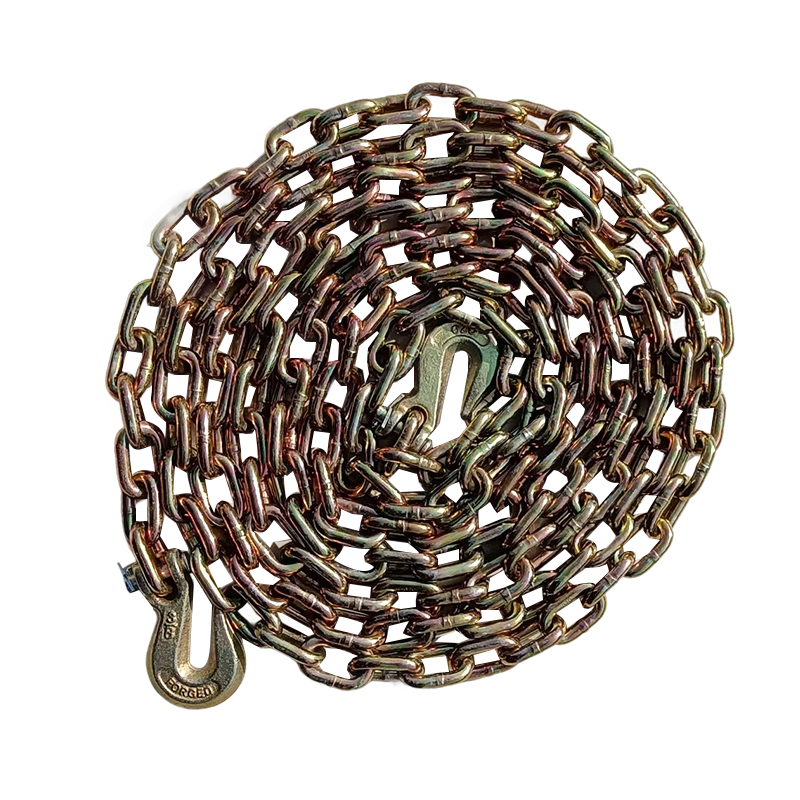
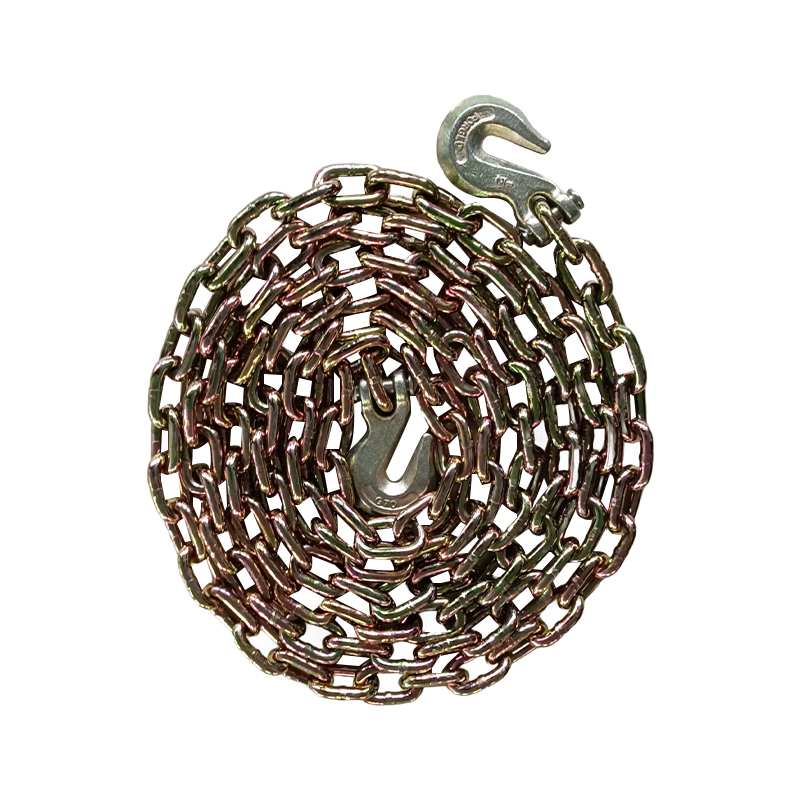
Selection and matching are fundamental to the application of bundling chains. The appropriate chain specifications must be chosen based on the characteristics of the cargo. For example, heavy machinery should use high-strength alloy steel chains, whose tensile strength and fatigue resistance far exceed ordinary chains, capable of withstanding the impact of continuous bumps. Light cargo can use galvanized carbon steel chains, ensuring cost-effectiveness while meeting basic binding requirements. Furthermore, the chain pitch and diameter must match the cargo dimensions. Chains that are too thin are prone to breakage due to concentrated stress, while chains that are too thick may develop stress cracks at bends due to insufficient flexibility. For example, when bundling cylindrical equipment, chains with a smaller pitch should be selected to distribute pressure at more contact points and avoid localized deformation.
Preload control is crucial for the secure fixing of the bundling chain. During operation, a tension meter or expert judgment should be used to tighten the chain to an appropriate range—too loose will cause the goods to sway, while too tight may cause the chain to break prematurely due to metal fatigue. For fragile or delicate goods, a "progressive pre-tensioning" method can be used: first apply a basic tension to fix the position of the goods, then gradually increase the tension to a safe value to avoid damage from sudden impacts. For example, when bundling glass products, the initial tension should be controlled at 30% of the chain's rated load, and gradually increased to 60% after the goods are stable, which can prevent displacement without crushing the packaging.
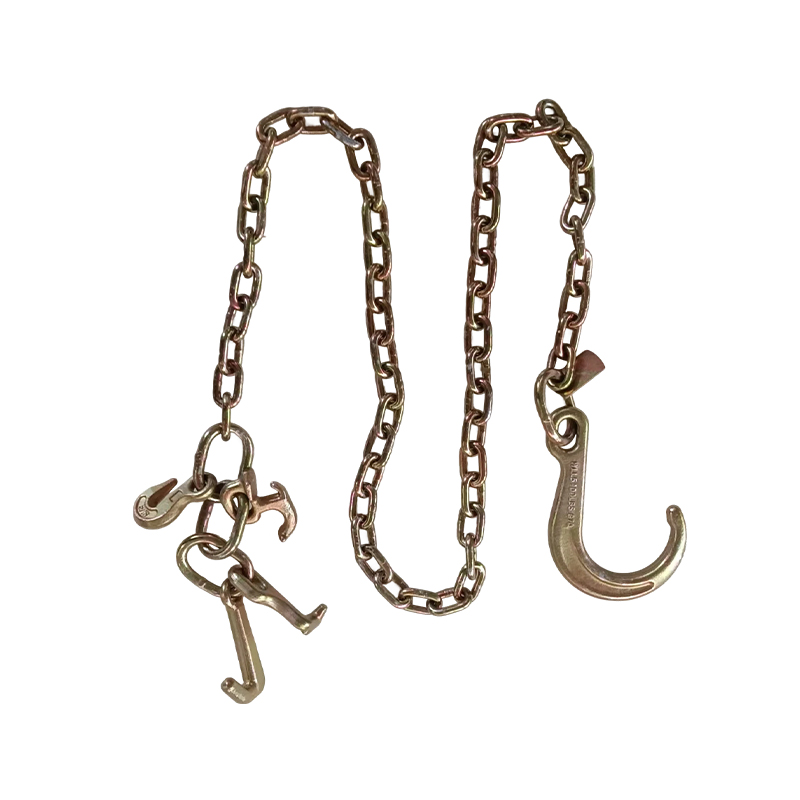
Multi-point bundling layouts can significantly improve stability. Traditional single-point bundling is prone to uneven chain stress due to the shift in the center of gravity of the goods, while multi-point bundling forms a three-dimensional constraint network by distributing the force. For example, when bundling rectangular goods, six bundling points can be set at the top four corners and both sides of the middle, so that the chain is distributed in a "well" shape. Even if one chain loosens due to bumps, the other chains can still maintain the stability of the goods. For irregularly shaped goods, a "main chain and auxiliary chain combination" method can be used: a main chain secures the main body of the goods, while multiple short chains bind protruding parts. For example, when binding machinery, the main chain restrains the machine body, while short chains secure operating levers or pipelines to prevent localized loosening.
Wear-resistant design extends chain lifespan. In bumpy environments, frequent friction between the chain and the goods/vehicle structure accelerates wear, requiring material optimization and structural improvements to reduce losses. For instance, coating the chain surface with a wear-resistant ceramic coating can increase its wear resistance by more than three times; adding rubber sleeves to the contact points between the chain and the goods reduces direct metal-to-metal collisions and absorbs some impact through elastic deformation. Furthermore, regularly checking the chain's lubrication and ensuring smooth sliding between links can prevent breakage due to dry friction.
A dynamic adjustment mechanism is crucial for coping with long-distance bumpy transport. During transport, it is necessary to stop periodically to check the binding status, focusing on whether the chain is loose, deformed, or shifted. For example, the chain should be fully tightened every 200 kilometers, paying particular attention to areas where the cargo's center of gravity shifts or its shape changes. For easily loosened cargo, self-locking chains can be used; their special locking design automatically tightens during bumps, reducing the frequency of manual intervention. Simultaneously, the bundling strategy should be adjusted according to changes in road conditions. For instance, when traversing unpaved roads, increase the density of bundling points and reduce travel speed to reduce the instantaneous impact force on the chain.
Environmental adaptability optimization can improve chain reliability. High temperatures cause the chain metal to expand, leading to a decrease in preload; therefore, heat-resistant alloy materials should be selected or allowances for expansion should be made. Humid environments easily cause chain corrosion; galvanized or stainless steel chains should be used, and rust-preventive oil should be applied regularly. For example, when transporting in coastal areas, the bundled chain must have a salt spray protection rating to prevent strength reduction due to corrosion. Furthermore, in extreme low-temperature environments, the chain's flexibility decreases; preheating or the use of low-temperature specialized chains is necessary to prevent brittle breakage.
Through scientific selection, precise pre-tensioning, multi-point layout, abrasion-resistant design, dynamic adjustment, and environmental optimization, bundling chains can build a multi-layered protection system in bumpy transportation scenarios. This systematic solution not only improves the safety of cargo transportation but also provides the logistics industry with an efficient and reliable bundling technology by extending chain lifespan and reducing maintenance costs.